Understanding the Difference Between Maintenance-Free Batteries and Non-Maintenance-Free Batteries
The main difference between maintenance-free and non-maintenance-free batteries is that maintenance-free batteries are sealed and do not require adding water, while non-maintenance-free batteries require regular electrolyte level checks and water refilling.
In this guide, we’ll break down the key differences, advantages, disadvantages, and help you decide which battery type is best for your needs.
What Is a Maintenance-Free Battery?
A maintenance-free battery is a sealed battery designed to operate without the need for regular electrolyte level checks or water refilling. These batteries are typically sealed lead-acid batteries that minimize water loss and gas emission.
Key Features:
- Fully sealed design
- No need to add distilled water
- Minimal gas emission
- Longer service intervals
- Often spill-proof and vibration-resistant
Advantages of Maintenance-Free Batteries:
- Convenience: No regular maintenance required
- Ideal for modern vehicles and backup power systems
Disadvantages:
- Higher initial cost
- Limited serviceability if internal damage occurs
What Is a Non-Maintenance-Free Battery?
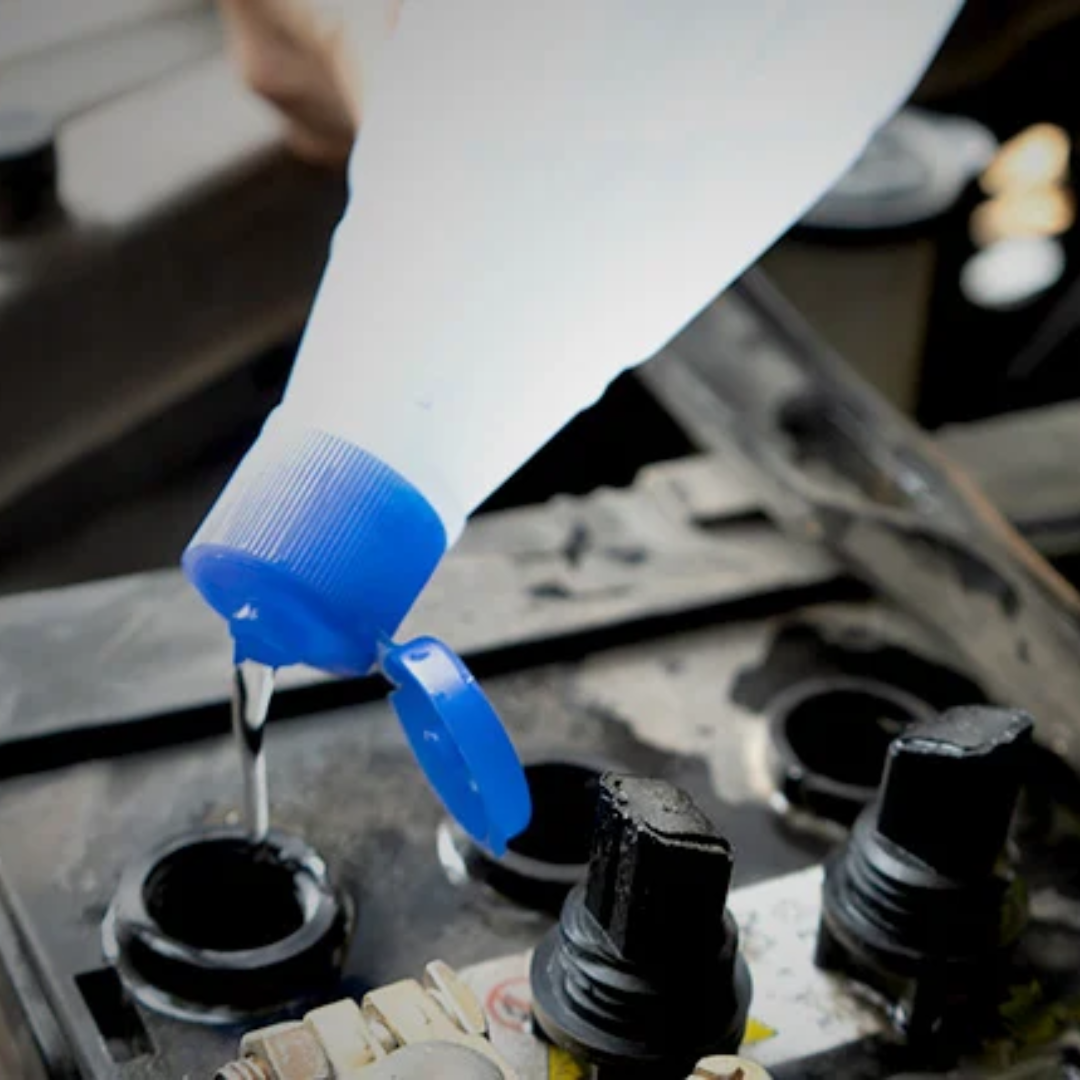
A non-maintenance-free battery, also known as a conventional or flooded lead-acid battery, requires periodic maintenance. Users must check electrolyte levels and refill with distilled water as needed.
Key Features:
- Removable caps for water refilling
- Requires regular inspection
- More prone to water evaporation
Advantages of Non-Maintenance-Free Batteries:
- Lower upfront cost
- Easier to service and inspect
- Suitable for heavy-duty and industrial applications
Disadvantages:
- Requires regular maintenance
- Risk of acid spills and corrosion
- Shorter lifespan if not properly maintained
Which Battery Is Better?
The choice between maintenance-free and non-maintenance-free batteries depends on your specific needs:
- For personal vehicles: Maintenance-free batteries are usually the better option due to convenience and reliability.
- For commercial or industrial use: Non-maintenance-free batteries may be cost-effective if regular maintenance is manageable.
- For remote installations or backup systems: Maintenance-free batteries reduce service visits and long-term upkeep.
Factors to Consider Before Buying a Battery
When selecting a battery, consider:
- Application type (automotive, inverter, solar, industrial)
- Budget
- Maintenance capability
- Environmental conditions
- Expected lifespan
Final Thoughts
Understanding the difference between maintenance-free batteries and non-maintenance-free batteries helps you make an informed decision. While maintenance-free batteries offer convenience and reduced upkeep, conventional batteries provide affordability and serviceability.
If you prioritize ease of use and long-term reliability, a maintenance-free battery is likely the best choice. If cost and hands-on maintenance are not concerns, a non-maintenance-free battery can still perform effectively.
View our blog on how to maintain your battery - Guide to maintaining your batteries