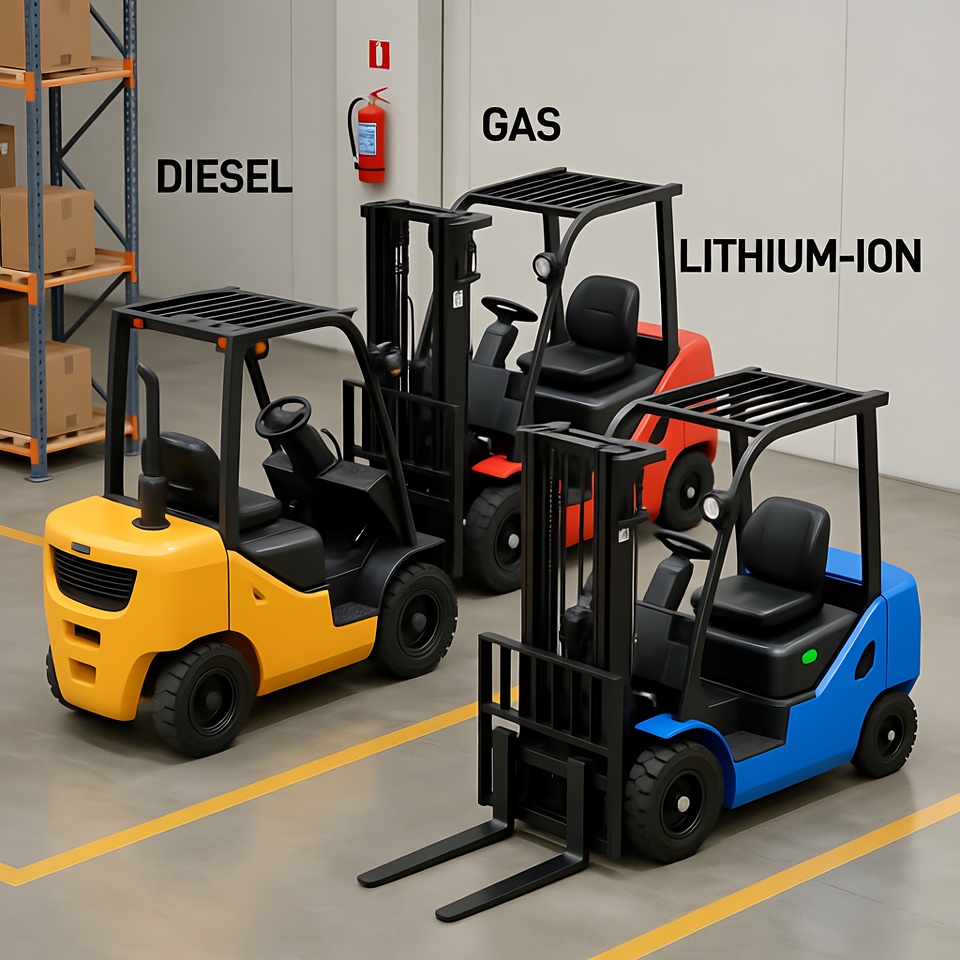
Diesel, Gas, or Lithium? Picking the Right Forklift for Your Warehouse
For warehouses (typically indoor environments with racking, aisles, and pallet handling), the choice between diesel, gas (usually propane/LPG), and lithium-ion (electric with lithium batteries) forklifts depends on factors like emissions, operating costs, maintenance, noise, power needs, and suitability for indoor use.
Quick Overview of Each Type
- Diesel forklifts — Internal combustion (IC) engine powered by diesel fuel. Best for heavy-duty, outdoor, or mixed-use applications.
- Gas forklifts (propane/LPG) — IC engine powered by propane tanks. Versatile for indoor/outdoor but produce emissions.
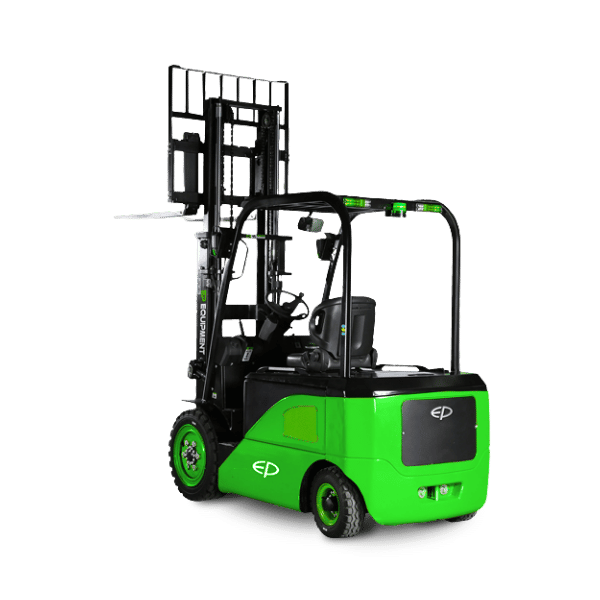
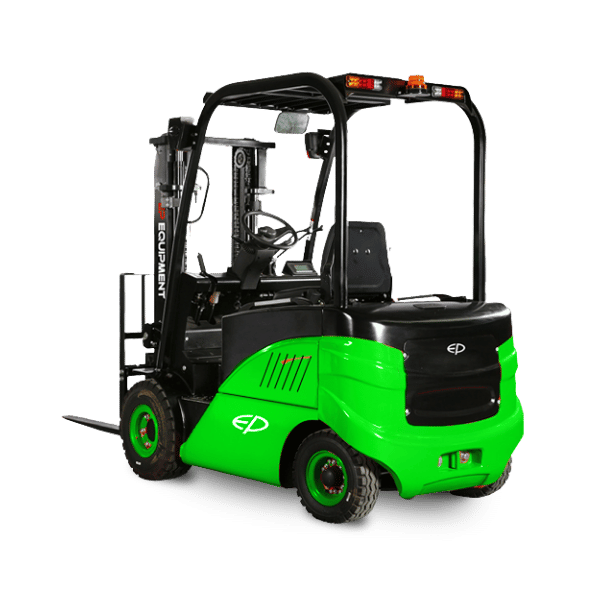
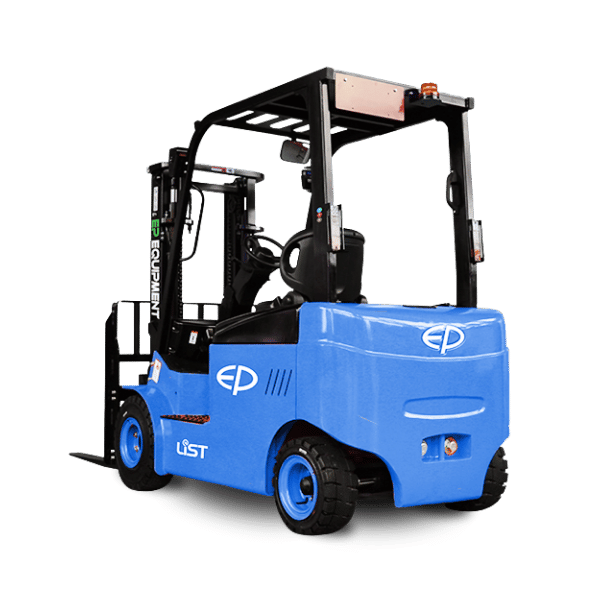
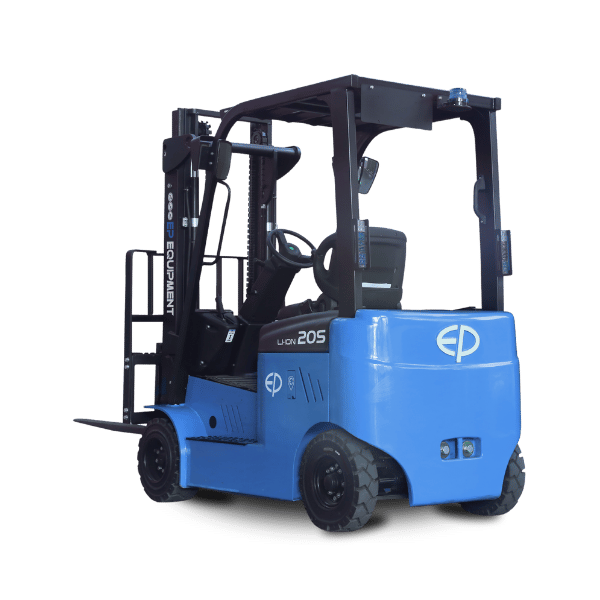
- Lithium-ion forklifts — Electric, battery-powered (lithium-ion tech, which is increasingly standard over older lead-acid). Zero emissions during use, ideal for indoor/warehouse settings.
Comparison for Warehouse Use
Diesel Forklifts
| Best Environment | Outdoor/heavy-duty; not recommended indoors without excellent ventilation |
|---|---|
| Emissions | High (CO₂, NOx, particulates); poor for indoor air quality |
| Noise Level | High (~80–95 dB) |
| Operating Costs | Higher fuel & maintenance; more parts/fluids |
| Upfront Cost | Moderate |
| Maintenance | High (engine, filters, oil changes) |
| Power & Capacity | Highest (great for very heavy loads, rough terrain) |
| Refuel/Recharge | Quick refuel (minutes) |
| Warehouse Suitability | Poor (emissions & noise make it unsuitable for enclosed spaces) |
Gas (Propane/LPG) Forklifts
| Best Environment | Mixed indoor/outdoor; possible indoors with ventilation |
|---|---|
| Emissions | Moderate (lower than diesel but still CO/NOx); requires ventilation indoors |
| Noise Level | Moderate to high |
| Operating Costs | Moderate fuel; higher maintenance than electric |
| Upfront Cost | Often lowest |
| Maintenance | Moderate to high (engine + tank handling) |
| Power & Capacity | Moderate-high |
| Refuel/Recharge | Quick tank swap |
| Warehouse Suitability | Acceptable with ventilation but not ideal |
Lithium-Ion Electric Forklifts
| Best Environment | Primarily indoor warehouses; zero emissions |
|---|---|
| Emissions | Zero tailpipe emissions; best for worker health & regulations |
| Noise Level | Low (~60–70 dB); quieter operation |
| Operating Costs | Lowest long-term (electricity cheaper than fuel; 50–70% less maintenance) |
| Upfront Cost | Higher (due to battery) but pays off over time |
| Maintenance | Low (fewer moving parts; no oil/fluids) |
| Power & Capacity | Moderate (sufficient for most warehouse needs; improving with tech) |
| Refuel/Recharge | Lithium: opportunity/fast charging (1–2 hrs to partial/full); no downtime issues with multi-shift |
| Warehouse Suitability | Excellent (standard choice for modern indoor warehouses) |
Recommendation for Warehouses
For most indoor warehouse operations in 2025–2026, lithium-ion electric forklifts are the clear top choice. They offer:
- Zero emissions → Safer air quality (no CO risk), complies with regulations, and suits food/pharma/cold storage.
- Lower total cost of ownership → Cheaper "fuel" (electricity vs. propane/diesel), less maintenance, and longer battery life with lithium tech (opportunity charging during breaks reduces downtime).
- Quieter and smoother operation → Better for worker comfort and multi-shift environments.
Modern lithium batteries eliminate many old electric drawbacks (like long charge times or battery swaps).
Diesel is generally not suitable for pure warehouse use due to high emissions and noise — it's better for outdoor heavy lifting (e.g., construction, lumber yards).
Gas/propane can work in warehouses with good ventilation (and is often cheaper upfront), but it still produces emissions, requires tank handling, and has higher ongoing costs than lithium electric. Many operations are switching from propane to lithium for 40–65% savings in fuel/maintenance.
If your warehouse has very heavy loads (>5–10 tonnes regularly) or mixed indoor/outdoor needs, a hybrid approach (electric indoors + diesel/gas outdoors) might make sense. For standard pallet/racking work, go lithium-ion electric.